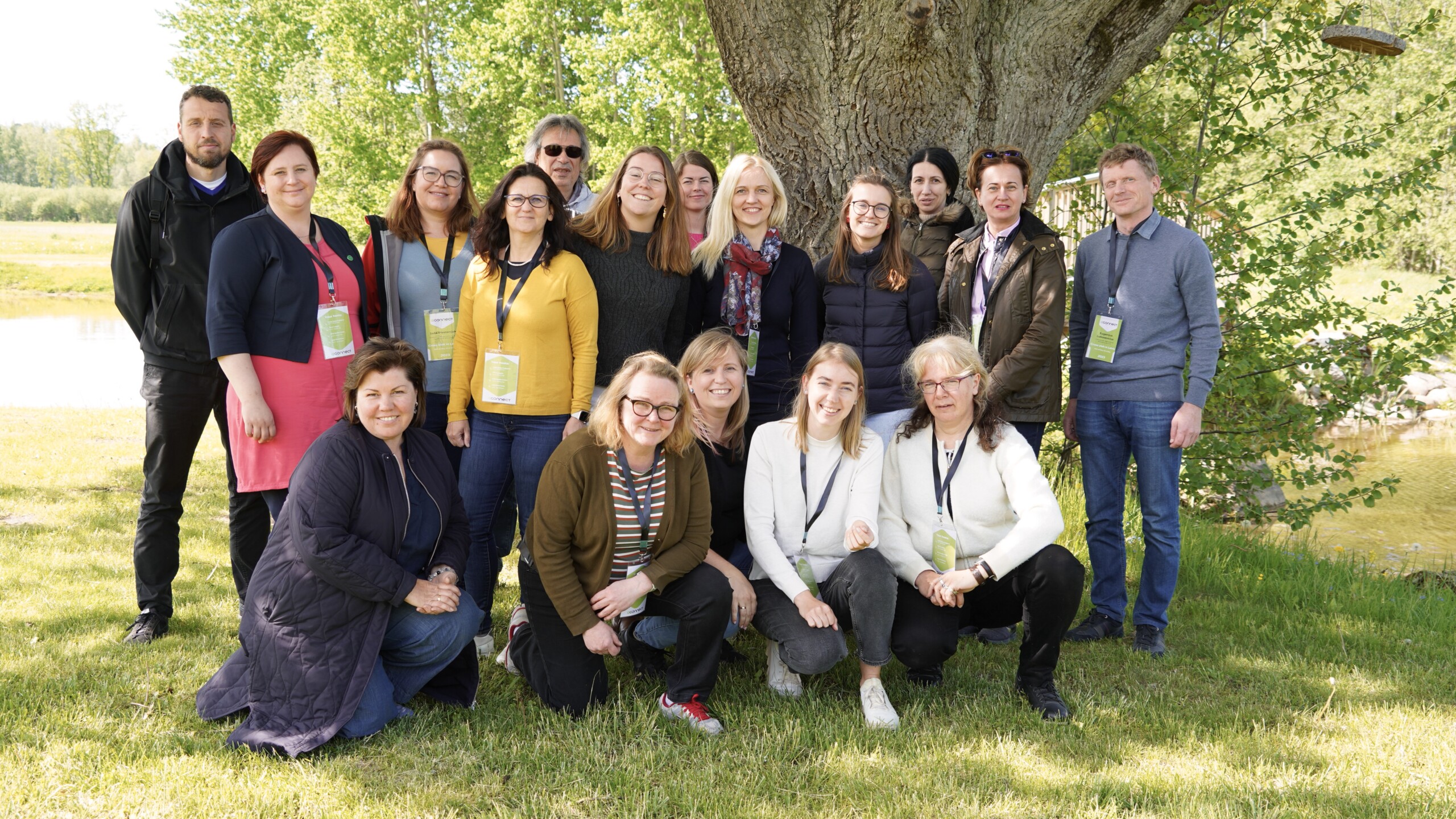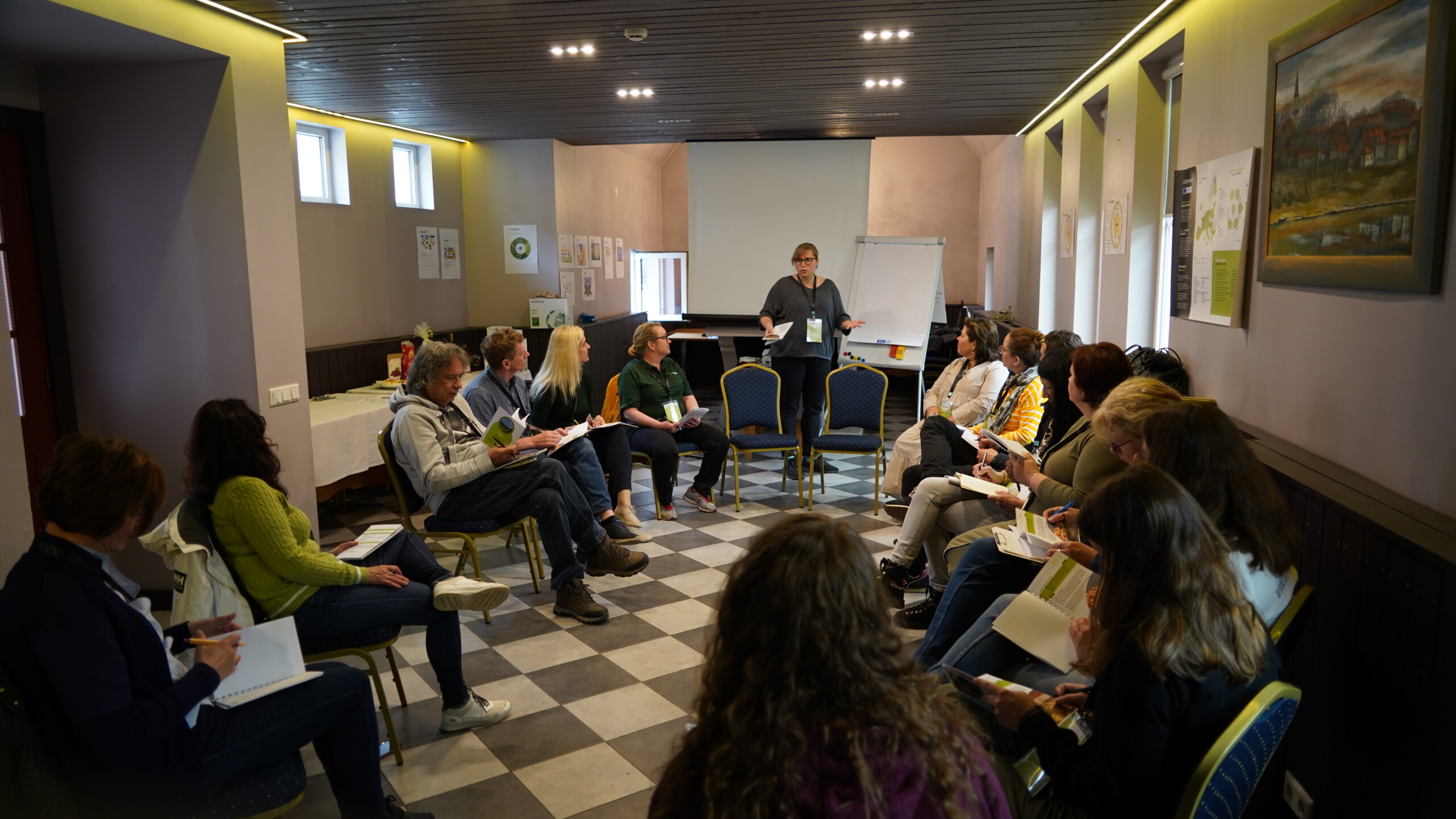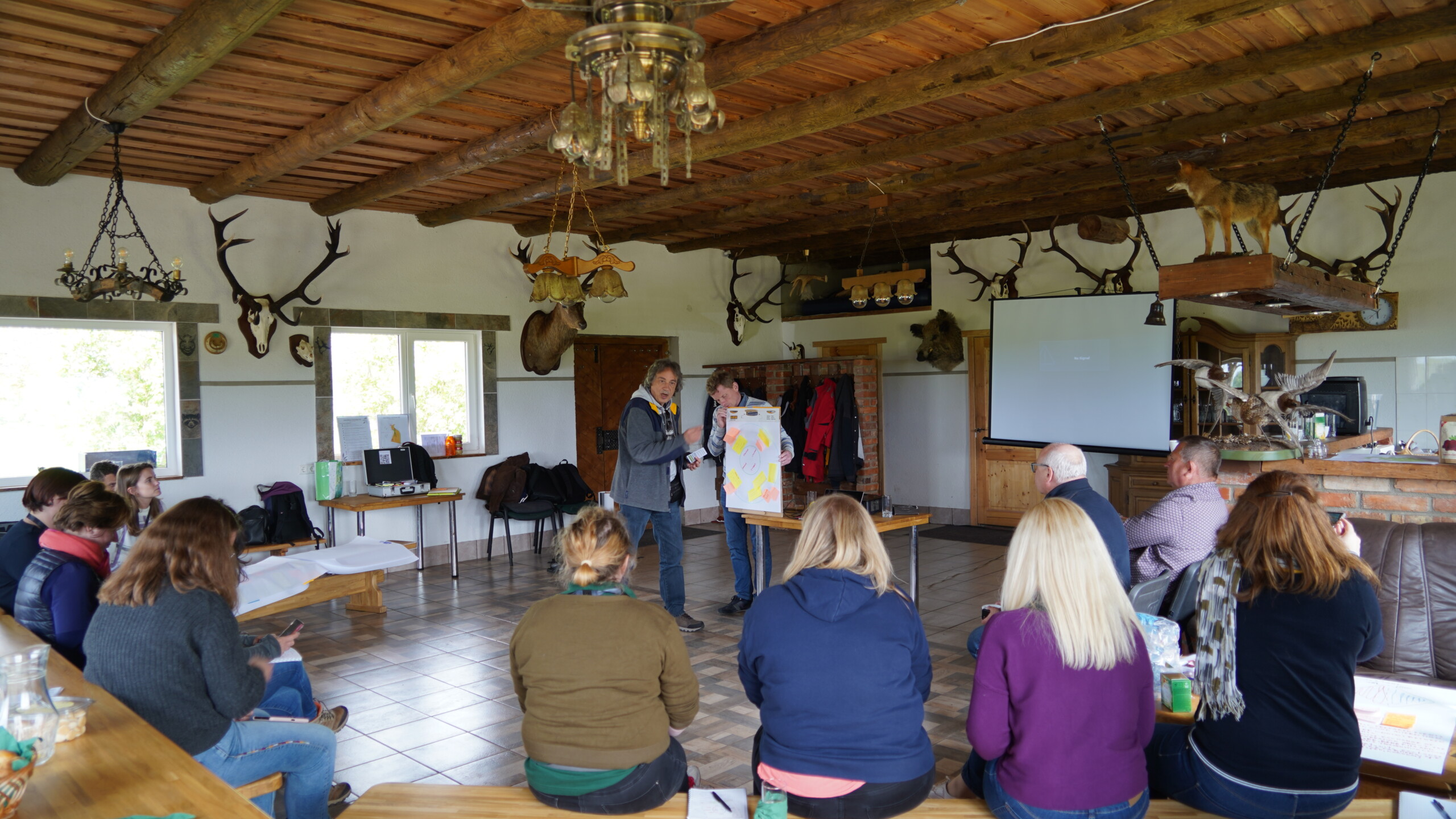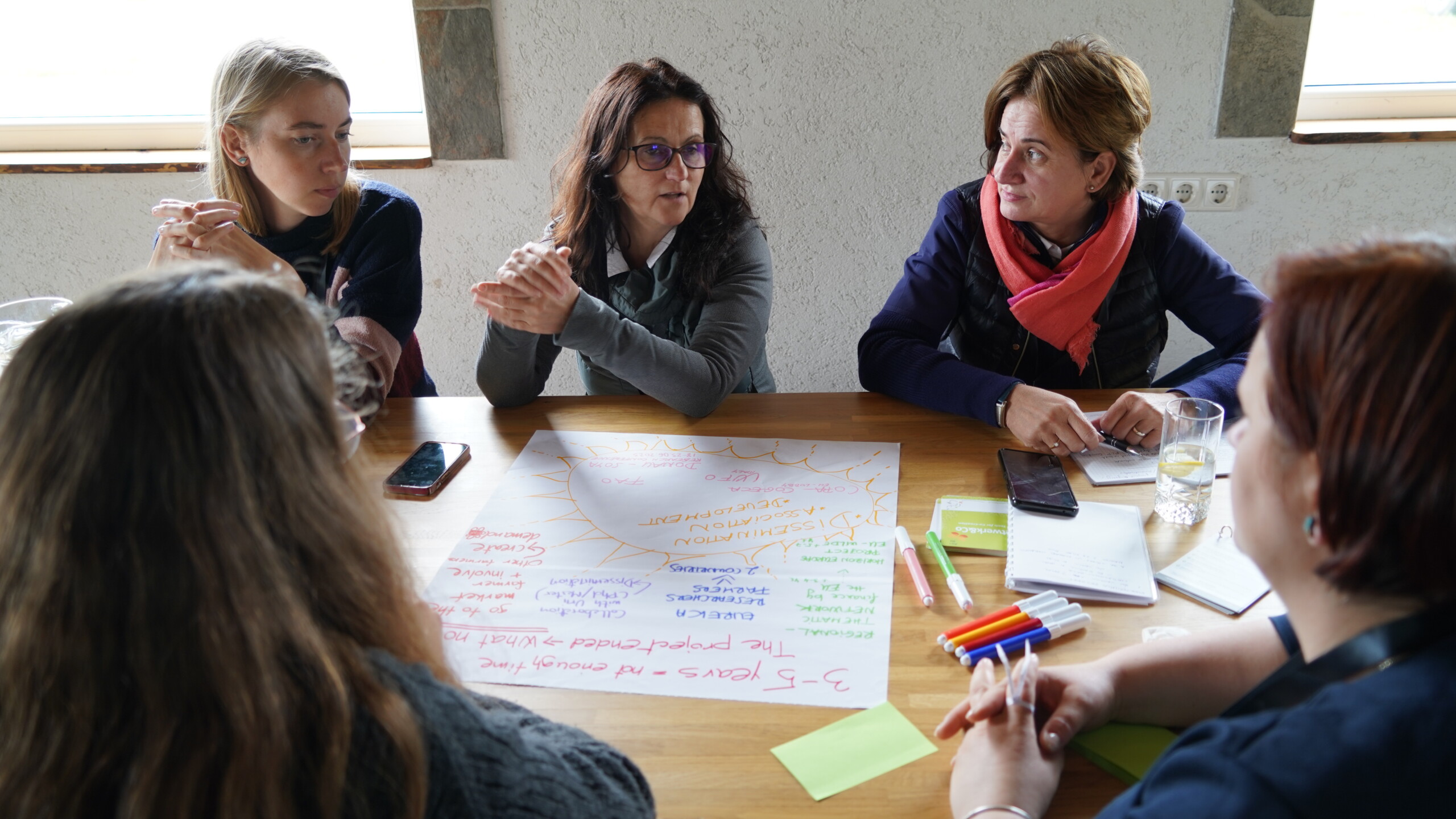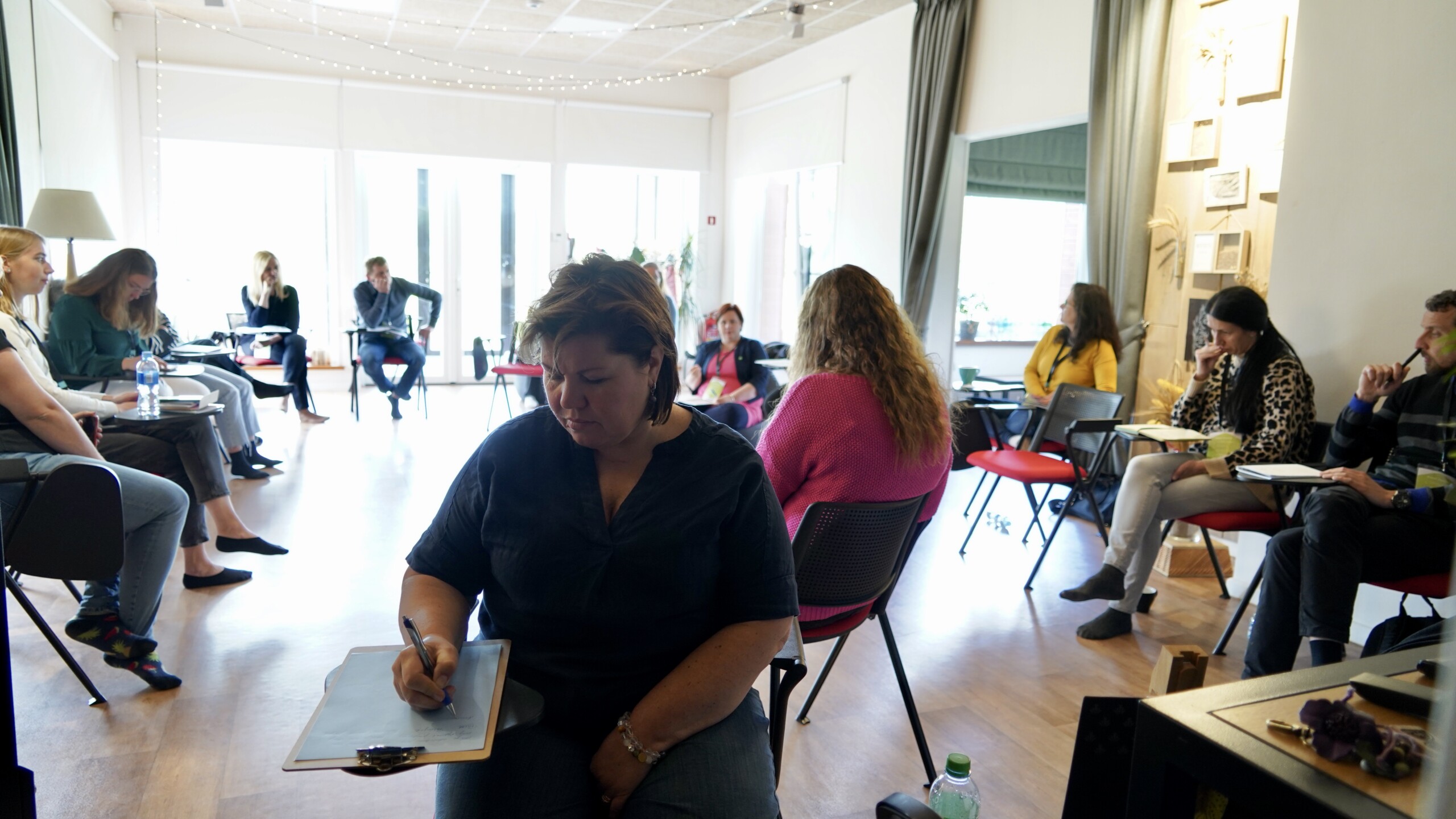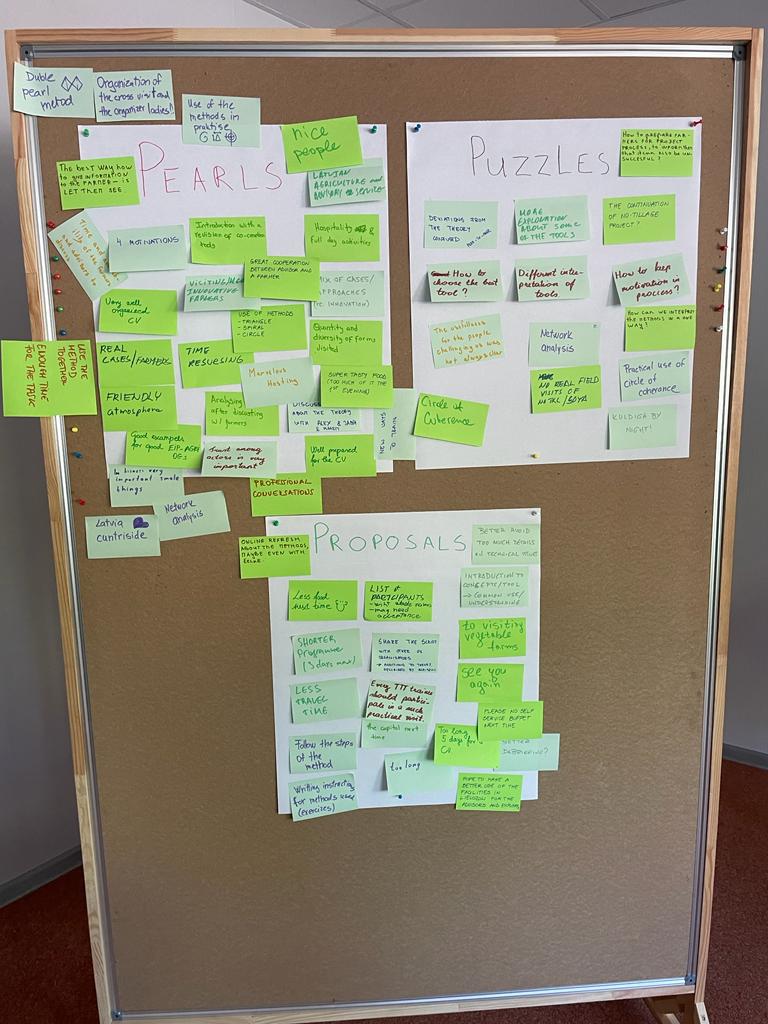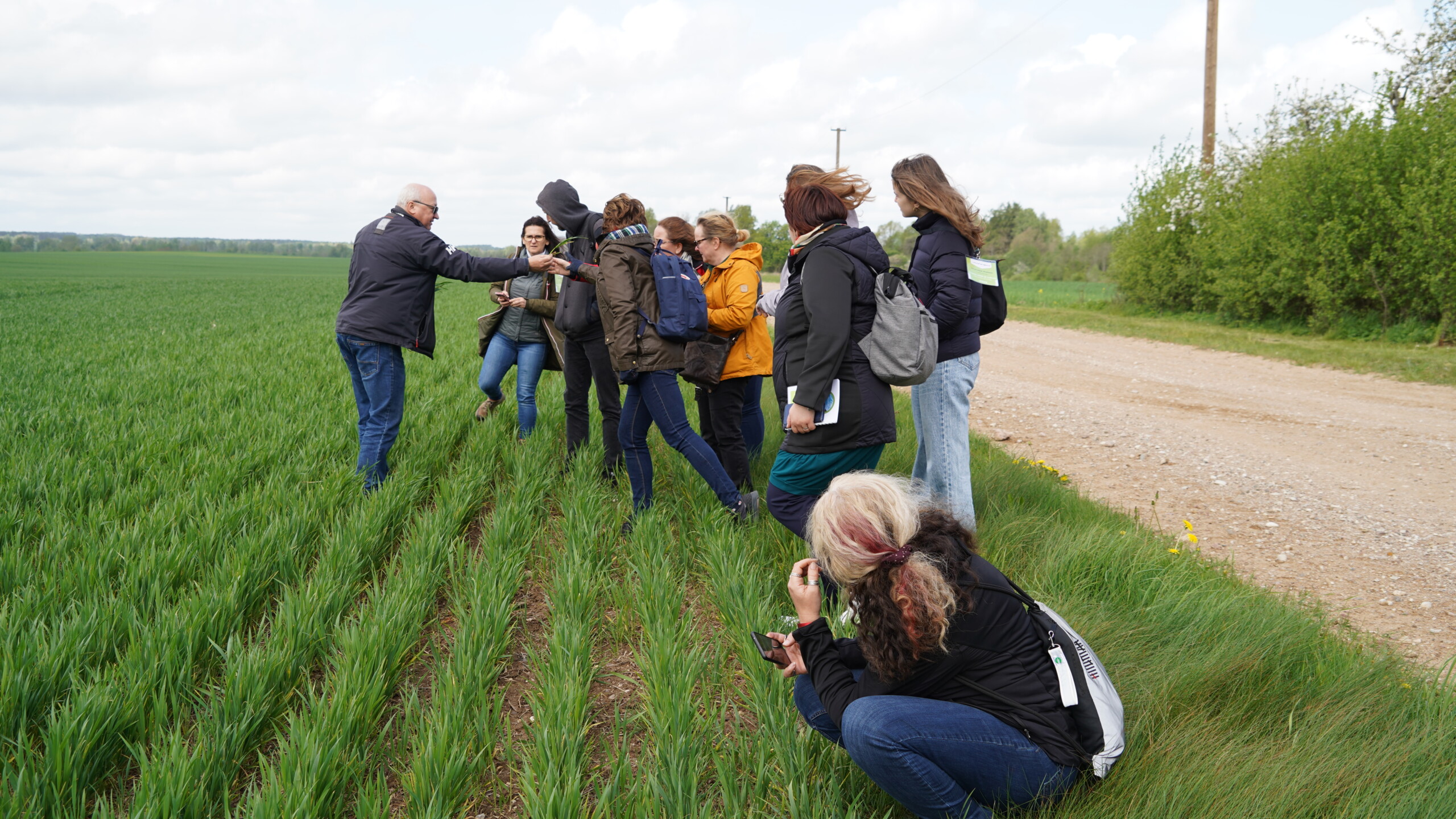
Sredinom svibnja 18 sudionici iz Bugarske, Sjedinjene Američke Države, Sjedinjene Američke Države, Sjedinjene Američke Države, Gvatemala, Gvatemala, Gvatemala, Neovisni, i Švicarske dolaze u Latviju kako bi sudjelovali u unakrsnom posjetu koji organizira Latvijski centar za ruralno savjetovanje i obuku (LRATC). Što točno znači unakrsna posjeta?, i po čemu se razlikuje od razmjene iskustava? Naravno, sudionici u ovom slučaju također dijele svoja iskustva i sudjeluju u aktivnim raspravama, ideja unakrsnog posjeta je da tijekom ovog posjeta, polaznici učvršćuju znanja koja su stekli tijekom obuke o interaktivnim inovacijskim metodama. To znači da prilikom obilaska raznih projekata, sudionici su zajedno razmišljali o zanimljivim rješenjima za postojeće izazove unutar predstavljenih inicijativa.
Domaćin, LRATC je najveća ruralna savjetodavna organizacija u Latviji koja pruža podršku, usmjeravanje, i obuka poljoprivrednika, ruralni poduzetnici, i drugi pojedinci uključeni u ruralni razvoj u Latviji. Trenutno LRATC zapošljava oko 430 zaposlenici koji rade u cijeloj zemlji 26 poslovnicama iu središnjem uredu koji se nalazi u Ozolniekiju. A sada ukratko o latvijskoj poljoprivredi.
USJEVI
Glavni poljoprivredni usjevi koji se uzgajaju u Latviji uključuju žitarice poput pšenice, ječam, zob, i raž. Druge važne kulture uključuju krumpir, uljane repice, i razno povrće. Latvija je također poznata po visokokvalitetnom ekološkom uzgoju i proizvodnji organskih usjeva.
STOKA
Uzgoj stoke bitna je komponenta latvijskog poljoprivrednog sektora. Posebno je istaknuto mljekarstvo, pri čemu su latvijski mliječni proizvodi dobro cijenjeni. Ostala stoka koja se uzgaja u zemlji uključuje svinje, perad, ovce, i goveda.
RURALNI RAZVOJ
Latvijska vlada pridaje važnost ruralnom razvoju, s ciljem potpore održivoj poljoprivredi, poboljšati infrastrukturu, i promicati inovacije u sektoru. Programi financiranja i subvencije dostupni su za potporu poljoprivrednicima, povećati produktivnost, i zaštititi okoliš.
POLJOPRIVREDNI IZAZOVI
Kao i mnoge zemlje, Latvija se suočava s raznim izazovima u svom poljoprivrednom sektoru. Ti izazovi uključuju starenje farmskog stanovništva (prosječna starost poljoprivrednika je 57 godine), okrupnjavanje farmi, manjak radne snage (7.2 % radne snage radi u poljoprivredi), utjecaji klimatskih promjena, te prilagodba propisima EU i zahtjevima tržišta.
Tijekom unakrsnog posjeta Latviji, četiri slučaja su posjećena i detaljno analizirana korištenjem i2connect metode:
- RAZVOJ I PROIZVODNJA INOVATIVNIH KOMPONENTI ZA PATITE (KOLAČI)
Cilj projekta bio je stvoriti nove namirnice i nove recepte koristeći određene sorte krumpira. Na taj način stvara se novi izlaz za zajednički poljoprivredni proizvod – krumpir. Potreba za novim proizvodima (kolači) – zdraviji proizvod mogao bi promicati javno zdravlje i diverzifikaciju konditorskih proizvoda u skladu s novim tržišnim trendovima i potrebama
društva. Projekt pokazuje da je od klasičnog proizvoda moguće dobiti još širu primjenu, koji se koristi na vrlo jednostavne načine, u međuvremenu šireći tržište i za proizvode primarne proizvodnje.
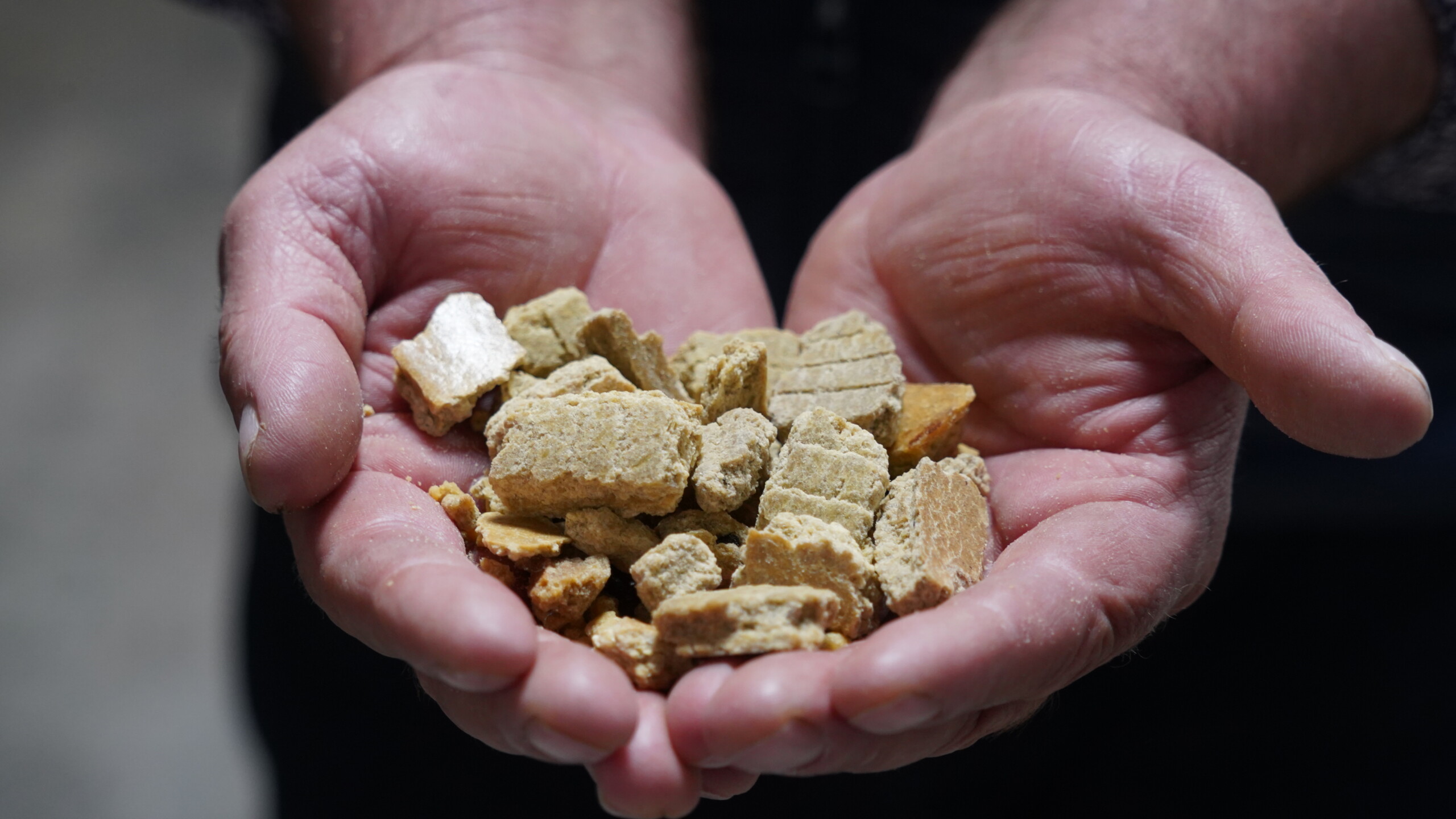
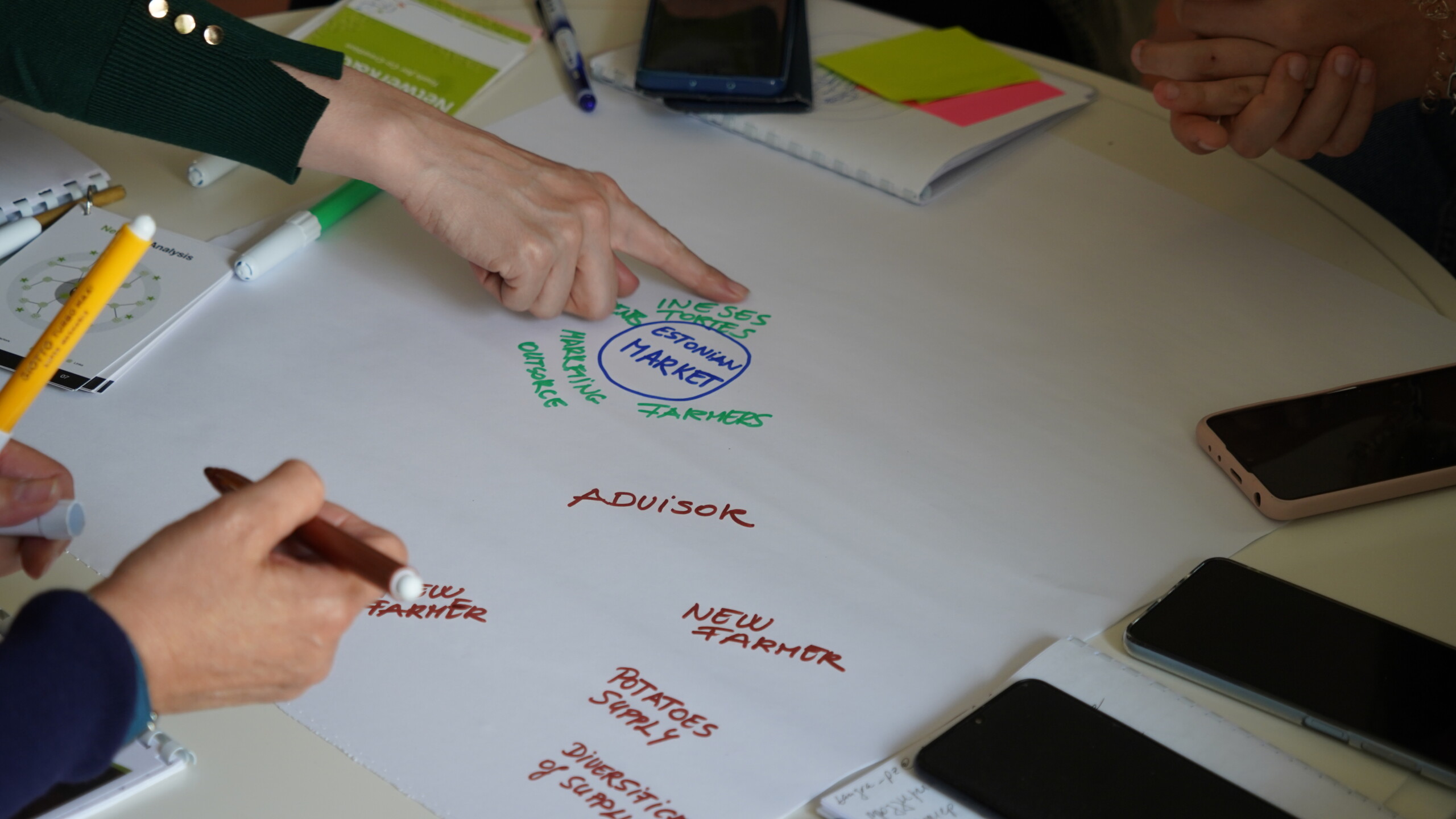
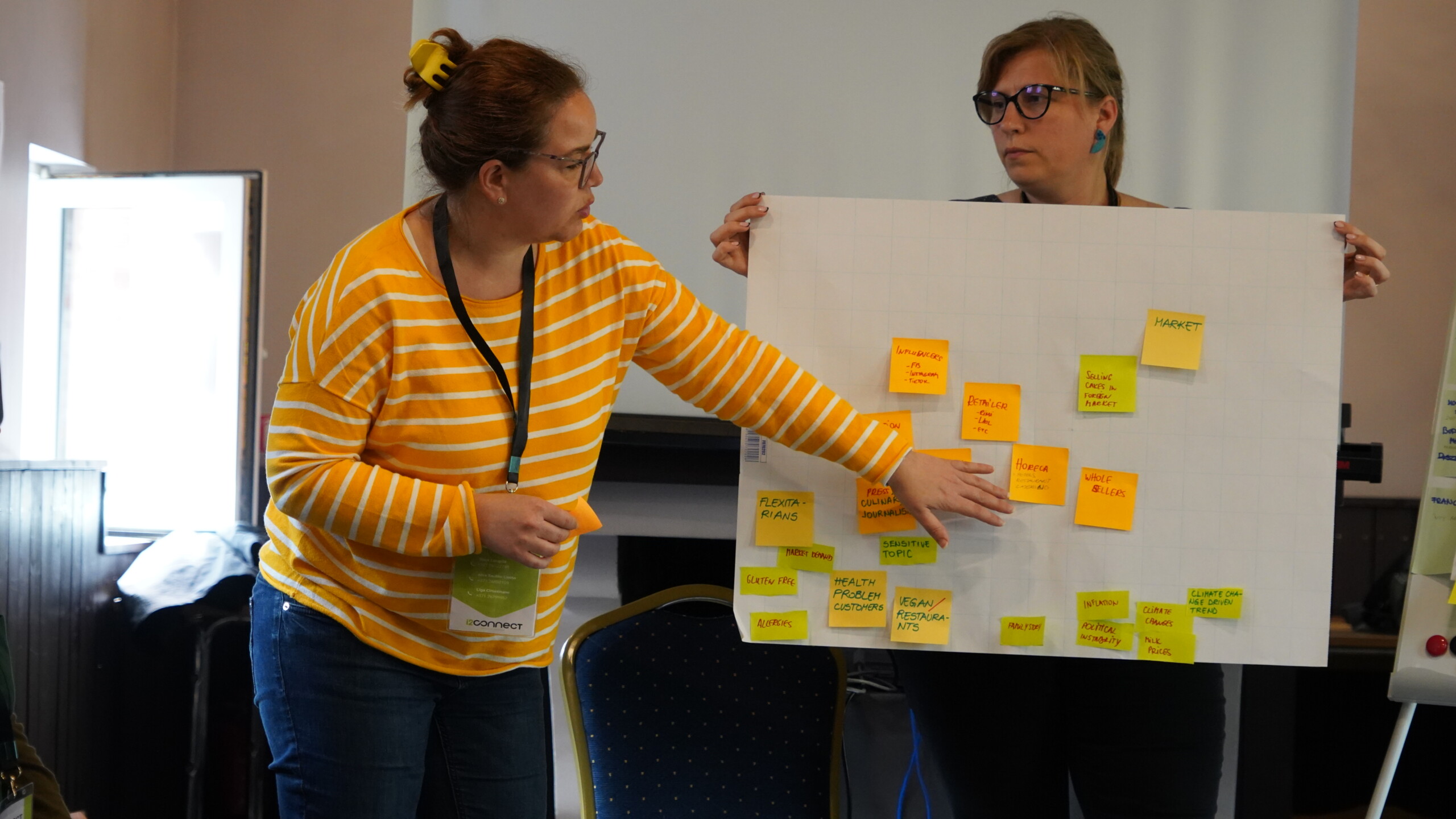
Domaćin, Linda Šarke-Fedjaeva, LRATC: “U sklopu projekta ispitano je nekoliko sorti krumpira, i više od 70 stvoreni su recepti za kolače s krumpirom kao glavnim sastojkom! Domaćin Juris Goldmanis sa sobom je donio dvije torte od krumpira – čokolada/naranča i brusnica. Ideja o izradi kolača od krumpira nastala je iz želje da se u proizvodnji zamijeni korištenje mliječnih proizvoda, kao potrošačka baza s glutenom, laktoza, a razna ograničenja u prehrani i načinu života sve više raste. Međutim, treba imati na umu da samo zato što je proizvod veganski ili bezglutenski, ili bez laktoze ne znači da nije pogodan za ljude koji mogu jesti sve! To nije slučaj! Moram priznati da mi je krumpir torta od brusnica bila najdraža. Trenutno, najveći izazov za domaćina je osvojiti tržište svojim inovativnim proizvodom. Juris je to spomenuo “Ineseni kolači” pogačice od krumpira već se mogu kupiti u Stockmannu i većim Rimi trgovinama. Nada se da će uskoro kolači osvojiti i susjedna tržišta gdje je veganski način života popularniji nego kod nas. Skupina sudionika događaja provela je mrežnu analizu kako bi identificirala nedostajuće i potencijalne kanale suradnje te načine promicanja proizvoda na tržištu. Mora se reći da je istinita izreka – jedna osoba ne može učiniti sve! Ne bismo razgovarali o ovom projektu da nije uključen poljoprivrednik koji je uzgajao krumpir, znanstvenici i savjetnici koji su radili na odabiru najprikladnijih sorti krumpira i razvoju receptura koje su ne samo ukusne već i pogodne za komercijalizaciju.“ - NOVE TEHNOLOGIJE I EKONOMSKI ODRŽIVA RJEŠENJA ZA PROIZVODNJU LOKALNE STOČNE HRANI ZA PROIZVODNJU SVINA: CULTIVATION OF NON-GENETICALLY MODIFIED SOYBEANS AND NEW BARLEY VARIETIES IN LATVIA
Sojina sačma je vrhunski izvor proteina u krmnim smjesama zbog visokog sadržaja proteina i aminokiselinskog sastava, ali EU uvelike ovisi o uvozu biljnih proteina, pri čemu dominira uvoz soje za stočnu hranu. Latvija također uvozi značajne količine sojine sačme koja je blizu ukupne proizvodnje lokalnih proteinskih biljaka. Zbog potencijalnih ekonomskih koristi za poljoprivrednike i proizvođače stočne hrane, kao i niz ekoloških i klimatskih prednosti, there is political support for the development of the growing of protein crops in the EU (EU plan biljnih proteina, itd.).
U isto vrijeme, the development of the local supply chain of soya largely depends on the competitiveness of Latvian-grown soya. Tako, this was the main challenge of the project initiator – to test if it is possible grow and to harvest enough good quality soybean to shorten existing supply chains and use local products in animal feed production. Since soybean growing in Latvia is not common and there is a lack of information regarding the most suitable soybean varieties, the project seemed to be a safe environment to boost knowledge about the soybean growing constraints and possibilities. The project though is not only about the growing of soybean for feed but also test new barley varieties which could be used in feed production. Inicijator – a farmer from southern part of Latvia who owns a pig farm, came up with the idea to start growing soybeans on his farm. He wanted to grow his own soybeans and produce feed for the pigs to shorten the supply chain and reduce dependence on changing soybean market prices. As he was already using mainly soybean protein in pig feed at his farm and knowing that soybean protein is difficult to replace with other protein plants, he saw great potential in developing this idea in the project application. Nakon što je prišao svom savjetniku, the project idea started to grow in the project application. Savjetnik je iskoristio svoju mrežu suradnika i privukao više entuzijasta da se uključe u projekt.
Domaćin, Linda Šarke-Fedjaeva, LRATC: “ZS Rubuļi along with 13 other collaboration partners was searching for the best soybean variety within the framework of the EIP project, with a protein content no less than those imported. ZS Rubuļi grows pigs and six different crops on their farm, which spans around 1000 hectares in Saldus municipality. After a conversation with the owner, Sergejs, and agronomist Aigars, it is clear that Sergejs is the most determined and enthusiastic of the two. This is a wonderful example of a farmer-driven initiative, where the owner openly acknowledges that the results of the farmers in the project group vary – some have been more successful, others less so. Some continue with experiments, while others have given up. Sergejs himself continues to grow soybeans at Rubuļi even after the project ends, and he claims that the soybeans sown and harvested are capable of feeding the entire pig population on the farm. It should be noted that Sergejs is able to carry out the entire soybean processing cycle, from drying to the production of ready-made animal feed, on the farm. I was surprised to learn that soybean oil contains valuable nutrients and can be used in food. I and the other cross-visit participants will be rooting for the Rubuļi family in their experiments! Keep up the great work!“ - CLIMATE-RESPONSIBLE AGRICULTURE FOR LATVIA
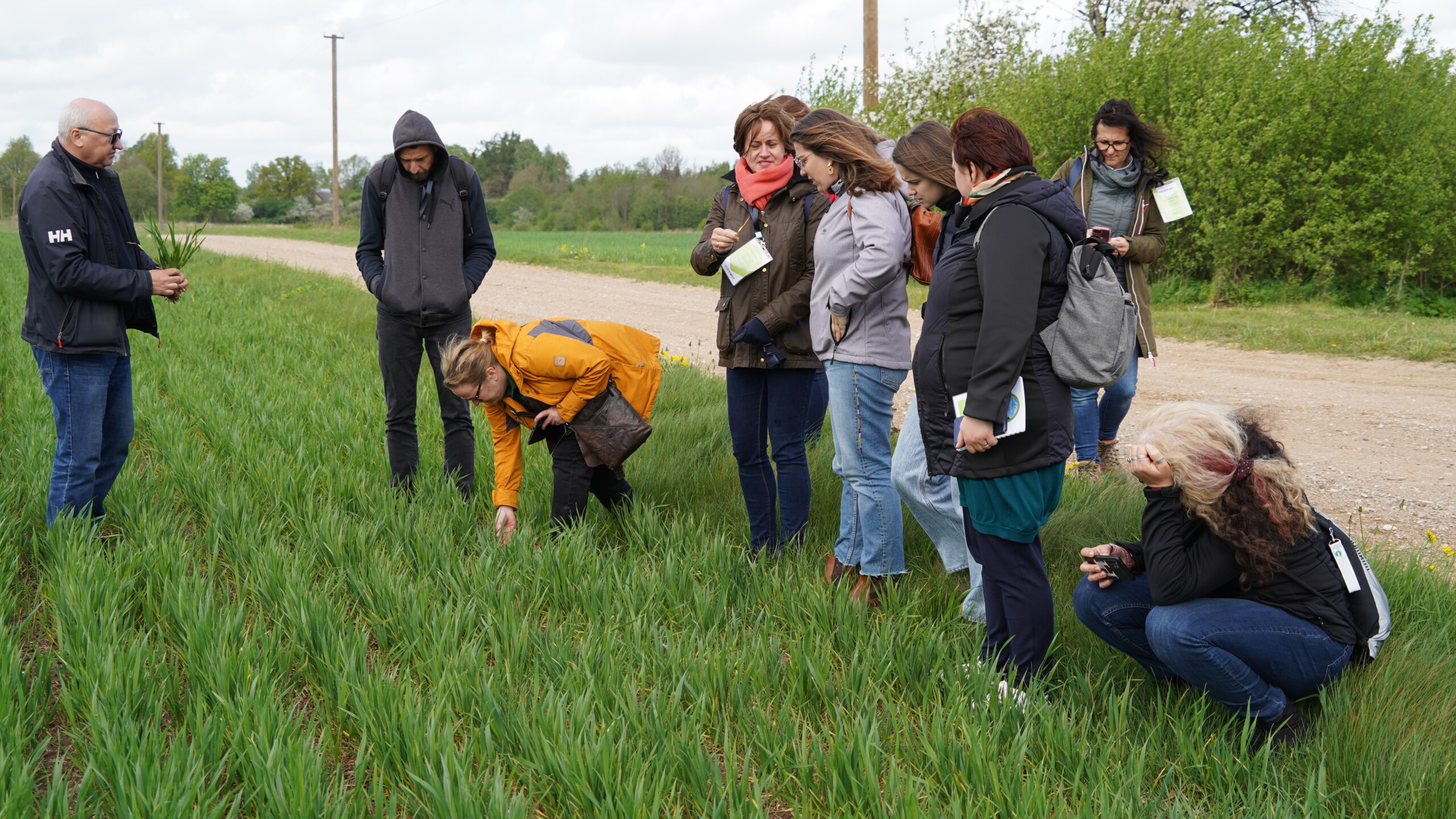
Soils are the largest terrestrial carbon storages on Earth. Međutim, land-use conversion and soil cultivation over time have destroyed soil carbon stock capacity and are responsible for approximately 33% of present GHG emissions. Trenutno, agricultural soils account for half of the sector’s total GHG emissions in the EU, while CO2 will be responsible for 50% of the global warming experienced over the next 50 godine. The majority of CO2 from agricultural lands is released through soil erosion and respiration. Globally agriculture’s share of GDP is falling, while in Latvia it increased from 3% u 2008 Consulai_i2connect_Horizon2020+logo_1 5% u 2013. Nadalje, Latvia’s agricultural GHG emissions have grown by 20% Consulai_i2connect_Horizon2020+logo_1 1999 Consulai_i2connect_Horizon2020+logo_1 2012 (Consulai_i2connect_Horizon2020+logo_1 1931.11 Consulai_i2connect_Horizon2020+logo_1 2420.30 Gg CO2 eq.) Tako, it is crucial to promote climate-responsible agricultural practices. One of the practices LRATC is involved in is the no-till technique. The main effort from the LRATC side was to set up a group of farmers who would be ready to test no-till and provide whatever advisory support the farmer group of interest would need. No-till farming is a way of growing crops without disturbing the soil through tillage. The no-till technique increases organic matter retention, therefore also increases carbon storage, and cycling of nutrients in the soil. It increases the amount and variety of life in and on the soil, including disease-causing organisms and disease-suppression organisms. The main benefit of no-tillage from an agricultural perspective is an improvement in soil biological fertility, resulting in more resilient soils.
Domaćin, Linda Šarke-Fedjaeva, LRATC: “My colleague Jānis Kažotnieks and the owner of ZS Aņģi, Aivars Cimermanis, visited us at Lielozoli to talk about one of the activities of the Craft LIFE project (https://craftlife.lv/en/) – izravna sjetva. The Craft LIFE project involves four partners, and LRATC is responsible for monitoring the demonstration of direct seeding methods. Cross-visit participants could see how important the advisor’s knowledge, personal connections, belief in what he does, charisma, and dedication to continuous energy are. Without warning Jānis or Aivars, the participants decided to split into two groups and interview them separately to later understand each person’s motivation for promoting direct seeding. It may sound pompous, but their main motivation is to take care of our planet – to ensure that there are resources left for future generations to use! In concluding the day, it was highly appreciated that both farmers and advisors were willing to share, explain, raspravljati, and be present in this cross-visit. The only regret is that we didn’t visit Aivars’ farm to see the direct seeding techniques and the seeded fields! Maybe next time!”
- TRAINING AND DEMONSTRATION CENTRE LIELOZOLI
The training and demonstration center “Lielozoli” in Slampe Parish was founded in November 2018 with the strategic goal of creating an environment for knowledge transfer and training (including practical and field) in the fields of sustainable farming, innovation, and green economy, as well as for education society on agricultural topics with special emphasis on pupils and students. The property consists of 8 hectares of forest, hundred-year-old oaks, lindens, and also birches. Approximately 5.5 hectares of the property is covered by meadows, part of which is a potentially valuable habitat. The remaining 2.5 hectares include a backyard area with buildings, parking, a pond, a small park, a planned children’s play area, and an orchard with permaculture demonstrations. The main challenge for the training and demonstration center now is the lack of clear ideas on how to reach the goals described above. We are looking for ideas and approaches on how to create unique products that would differ from the offer in Latvia in the field of education of our target audience – urban and rural residents of Latvia, families with children, students of preschool institutions, and older groups. All those who are interested and care about the future and management of Latvian fields, forests, and waters.
Photo credits: Thomas Alföldi, FiBL